
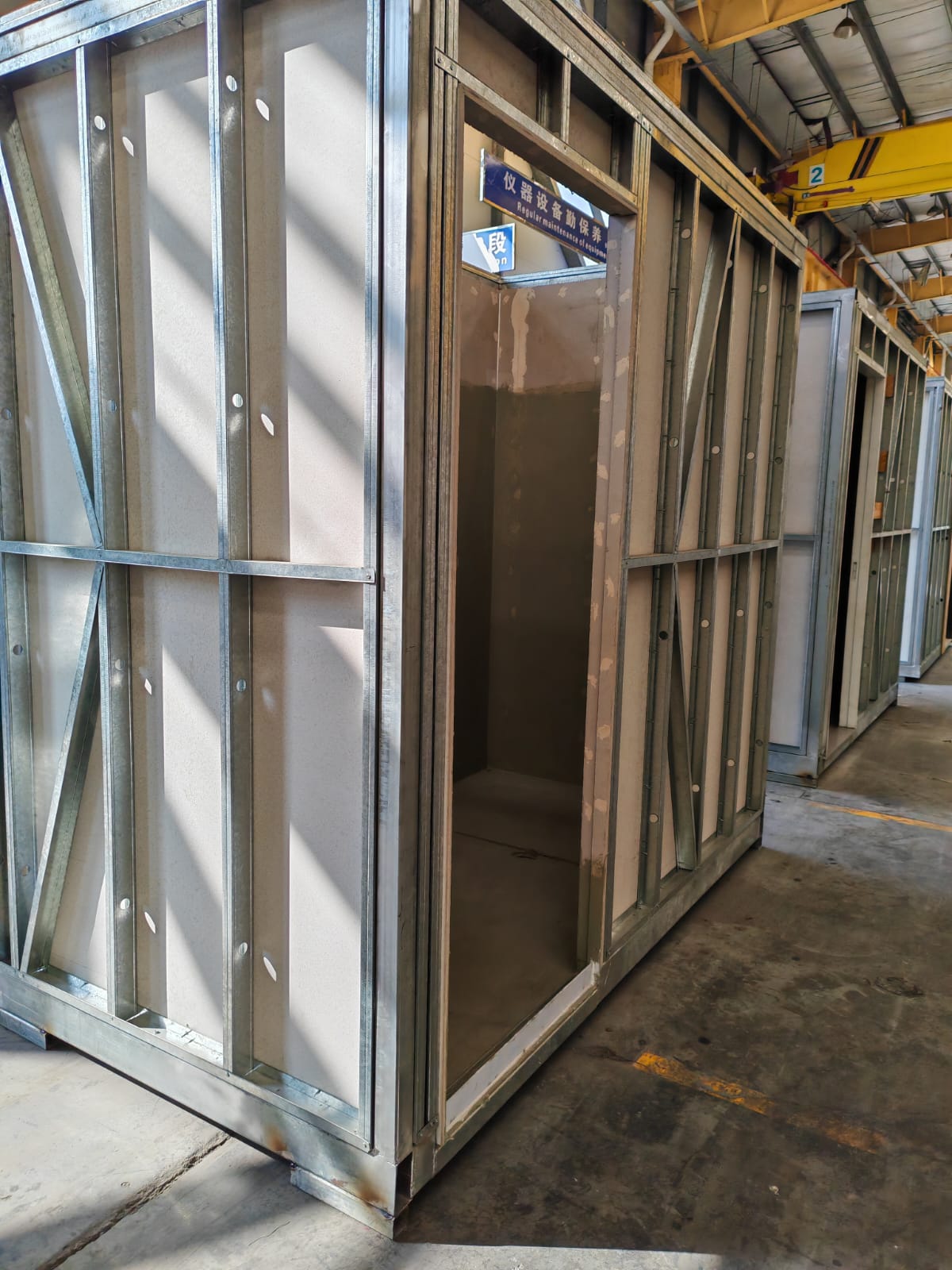
Modular supply lives inside four NCC 2022 building classes for most Australian projects: Class 1a for freestanding residential, Class 2 for apartments, Class 3 for short-stay and shared accommodation, and Class 9b for assembly buildings including childcare, schools and community facilities. Each class carries a different fire compartment scope, egress width, energy path and structural load frame, and each is referenced by a different combination of NCC sections and cited AS/NZS standards. If you are a builder bringing modules onto site, the compliance chain runs designer Form 15, then inspector Form 16, then Occupancy Certificate, and the certifier’s checklist decides whether the OC issues on the day you booked handover or slips by four weeks.
This guide walks the class-by-class scope, the relevant NCC sections and AS/NZS anchors, and the specific documents EcoPrestige provides in the Evidence of Suitability pack so the certifier’s checklist is closed out before the crane leaves site.
The four building classes for modular supply
Class 1a covers freestanding residential such as worker cottages and single dwellings. Class 2 covers apartment buildings, which since NCC 2022 carry a 7-star NatHERS equivalent energy requirement. Class 3 covers short-stay and shared accommodation such as motels, cabins and worker villages. Class 9b covers assembly buildings, which is the correct classification for early learning centres, schools and community rooms. EcoPrestige supplies structural steel modular systems across all four, and the class drives the fire, egress and energy scope more than the floor plan does.
Fire — NCC 2022 Part C and Class 9b Part I1
Fire is the gate that most often catches a modular project late. Class 9b assembly buildings carry additional fire provisions under the Class-specific parts, including compartmentation and separation requirements that a childcare or school module must resolve at design lock, not on site. The heavy-duty structural steel frame gives a non-combustible primary structure, but the certifier still wants documentation for linings, penetrations and inter-module junctions. Resolve the fire strategy before production, because a fire re-work after modules are fabricated is the most expensive change in the programme.
Egress — Part D and class-specific overrides
Egress width, travel distance and exit numbers change with class and occupant load. A Class 9b childcare room has a different egress calculation to a Class 3 accommodation module, and the certifier checks door widths, path widths and exit signage against the occupant load for the approved use. On modular this is a design-lock item because door and corridor dimensions are set in the factory. Getting the egress geometry right in the shop drawings is what keeps the OC on schedule.
Energy — Section J and NatHERS
Energy performance runs through NCC Section J for the commercial classes and the NatHERS pathway for residential. Class 2 apartments carry a 7-star NatHERS equivalent post-2022. EcoPrestige modules are specified to meet the relevant energy path as standard, with the glazing, insulation and services documented in the Evidence pack so the certifier can verify the as-built against the approved energy report.
Wind — AS/NZS 1170.2
Structural wind actions are set by AS/NZS 1170.2, referenced from the NCC. The wind region and terrain category drive the connection design for the steel frame and the bolt-down to piers or posts. Modules destined for cyclonic regions need the connection and cladding uplift documentation to match the site wind classification, so confirm the wind region before design lock rather than assuming a standard detail covers it.
The certifier’s checklist and the Form 15 to Form 16 to OC chain
The compliance chain is designer Form 15, then inspector Form 16, then Occupancy Certificate. The certifier’s checklist at module handover looks for the structural certification, the fire and egress documentation, the energy verification, the wind connection design, and the traceable QA that shows the as-built module matches the certified drawings. EcoPrestige modules are fabricated offshore under Australian engineering, Australian QA and Australian NCC compliance oversight, and every module leaves the factory certified so that the Form 16 inspection finds a closed checklist rather than open items.
What EcoPrestige supplies, and what the builder holds
EcoPrestige supplies the certified structural steel modules, the factory-fitted cladding, windows and glazing, the internal fitout, the shop drawings and NCC documentation, and the Evidence of Suitability pack. EcoPrestige coordinates install but does not carry install responsibility. The builder holds the site works, the piers or footings, the civil and services, the crane and bolt-down, the final connections, and site management and OH&S. The compliance documents come from us; the site and the OC application sit with the builder. Supply sits in the approved band of around $2,200 to $2,300 per square metre for residential and Class 9b work and around $2,300 for apartments, with a programme saving of roughly 30 percent against conventional construction, a 12-year structural warranty and a 12-month materials and fitout warranty.
FAQ
Which NCC classes does modular supply cover?
Class 1a residential, Class 2 apartments, Class 3 short-stay and shared accommodation, and Class 9b assembly including childcare and schools. Each carries a different fire, egress and energy scope.
Does NCC 2022 change the energy requirement for apartments?
Yes. Class 2 apartments carry a 7-star NatHERS equivalent under NCC 2022, verified against the approved energy report at handover.
What documents does the certifier want at module handover?
Structural certification, fire and egress documentation, energy verification, wind connection design, and traceable QA showing the as-built matches the certified drawings. These sit in the Evidence of Suitability pack.
How does the Form 15 to OC chain work on modular?
The designer issues Form 15, the inspector issues Form 16 after inspection, and the Occupancy Certificate follows once the checklist is closed. A complete Evidence pack keeps that chain on schedule.
Are the modules built to Australian compliance?
The modules are fabricated offshore under Australian engineering, Australian QA and Australian NCC compliance oversight, and every module leaves the factory certified to the approved design.
Who lodges the Occupancy Certificate application?
The builder. EcoPrestige provides the compliance documentation and coordinates install, but the builder holds the site and the OC application. See the builder supply page.
Next step for builders
If you are pricing a modular project, the fastest way to protect your OC date is to confirm the Evidence of Suitability pack scope before design lock. Related reading: the Evidence of Suitability guide, the modular cost guide, the timeline guide, and the Class 9b childcare hub.
Thinking about importing modules direct? Read China builds the module, who builds the Australian building before you commit.
Get the EcoPrestige Builder Pack
Commercial price and supply guide plus the developer and builder scope overview. The two documents builders, developers and project managers ask for first. Instant access.
Prefer to talk direct? Email info@ecoprestige.com.au.