
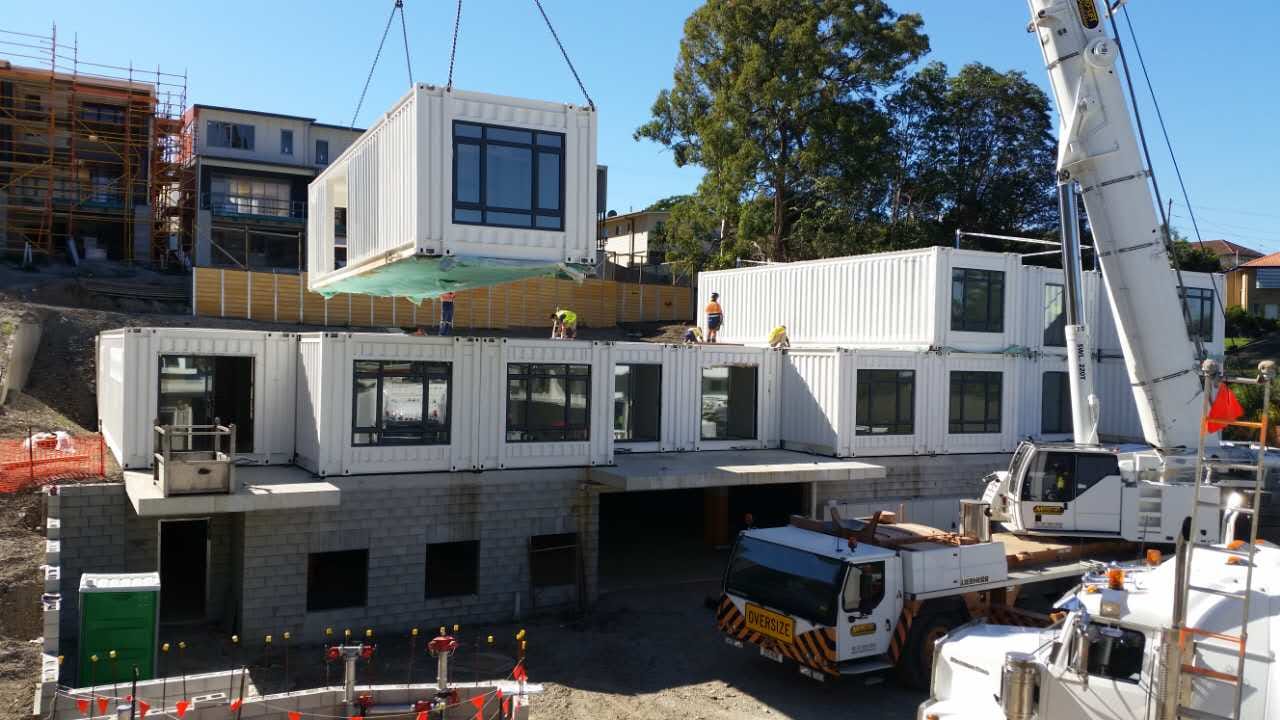
Australia is forecast to fall roughly 262,000 homes short of demand by 2029. At the same time modular construction has moved from the industry fringe into the national conversation, with a major volume builder completing a home in a 20-day prefab pilot in Truganina, Victoria. For builders and developers the question is no longer whether modular is credible. It is how to use it without inheriting risk you did not price for.
Why modular went mainstream in 2026
Three forces arrived together. A structural housing shortfall that traditional trades cannot close on their own. A labour market that stays tight in every capital city. And a supply chain where a large share of prefabricated modules and building materials is now produced offshore, with China reported as the source of around 70 percent of Australian prefab imports and roughly 175 million dollars of modules and materials brought in during 2024.
The result is simple. Modular is now a mainstream delivery method for social housing, childcare, worker accommodation, tourism and commercial buildings. The cost and speed case is proven. The gap that remains is not production. It is the Australian building.
The module is the easy part. The building is the whole job.
A factory in China can build a very good module. What it cannot do is take responsibility for the Australian building that module becomes. Engineering certification to Australian standards, National Construction Code sign off, site adaptation for bushfire, cyclone, flood and acoustic requirements, and the fix when a module arrives wrong all fall on the party importing it. That is a teaching cycle, and project one is where a direct importer pays the tuition.
This is the layer EcoPrestige runs. We use offshore fabrication for the module and carry the Australian engineering, compliance and delivery responsibility on top of it. For a builder or developer that means one accountable party for the finished building, not a shipping container and a certification problem. Read the full position here: China builds the module. Who builds the Australian building.
What this means for your next project
If you are weighing modular against site built delivery, start with the honest cost and programme comparison rather than the headline price. See modular vs site built construction cost comparison. If you are tempted to import direct from a factory to save margin, price the Australian layer first. See EcoPrestige vs importing modular direct from China.
For commercial and multi class work across NCC classes 2, 3, 6, 7, 9a, 9b and 9c, our builder facing supply model is set out in the commercial modular buildings guide.
The window is open now
Demand is structural and will not soften before 2029. The builders and developers who lock in a reliable modular supply layer this year are the ones who will win the pipeline while others are still learning the hard way. If you have a project in planning, the earliest useful conversation is at feasibility, not after you have committed to a factory.
See our capability and models in the EcoPrestige brochures or get in touch about a specific project.
Frequently asked questions
How big is Australia’s housing shortfall?
Australia is forecast to fall short of demand by about 262,000 homes by 2029. This is a structural gap that traditional construction alone is not expected to close, which is a major driver of modular adoption.
Is modular construction now accepted for mainstream projects?
Yes. Modular is now used for social housing, childcare, worker accommodation, tourism and commercial buildings, and a major volume builder ran a 20-day prefab home pilot in Victoria. Acceptance among builders, developers and government pipelines has moved from cautious to active.
Why not just import modules directly from China?
The module is only part of the job. Australian engineering certification, NCC compliance, site adaptation and remediation of any defects fall on the importer. Direct importers often pay for that knowledge on their first project. EcoPrestige carries that Australian layer so the builder receives an accountable finished building.
When should I involve a modular supplier?
At feasibility. Early involvement lets the module design, siting, compliance pathway and finance structure be set correctly before commitments are made, which is when modular delivers its cost and speed advantage.