
Most homeowners who want a backyard second dwelling do not stop because of the block or the design. They stop at the money. This guide explains, in plain terms, how Victorians actually fund a second dwelling in 2026, and what a lender really looks at. This is general information, not financial advice. Speak to a licensed mortgage broker and a registered tax agent about your own situation.
Equity is the ceiling. Serviceability is the loan.
These two get confused constantly. Your usable equity is roughly your property value times 80 percent, minus what you still owe. That sets the most a lender can secure against your home. But the loan they will actually approve is set by serviceability. That is your income tested against the repayments, with a buffer added on top. Both gates have to open. Many owners have the equity on paper and still get approved for less than they expect, because income and the buffer decide the real number.
The main ways people fund a second dwelling
Equity release or refinance. You increase your existing loan and draw the difference to build. Simple and common.
Construction loan. The lender releases money in stages as the build progresses, against a fixed price building contract. Interest is usually charged only on what has been drawn.
Loan split. The build borrowing is carved into a separate sub account. This is the cleanest option for tax, because it keeps the borrowing used to build the income producing dwelling separate and easy to identify.
What lenders check before they say yes
A fixed price contract with a licensed builder. A valuation of your property as if the dwelling is already complete. Evidence the dwelling is legal. Your income and existing debts, tested with the buffer. Your loan to value ratio. Owners comfortably under 80 percent have the most room.
One honest point about valuation
A second dwelling does not usually add its full build cost to your valuation, and some lenders cap the value they will credit to a granny flat. So the return is rental income, not instant equity. Anyone telling you a build hands you its full cost back in equity is not being straight with you.
Who finds this easiest
Owners over 55 with little or no mortgage. The equity headroom is there and, depending on the product, the loan can be assessed on equity rather than income. If that is you, a backyard dwelling for family or income is more within reach than you might expect.
How EcoPrestige helps
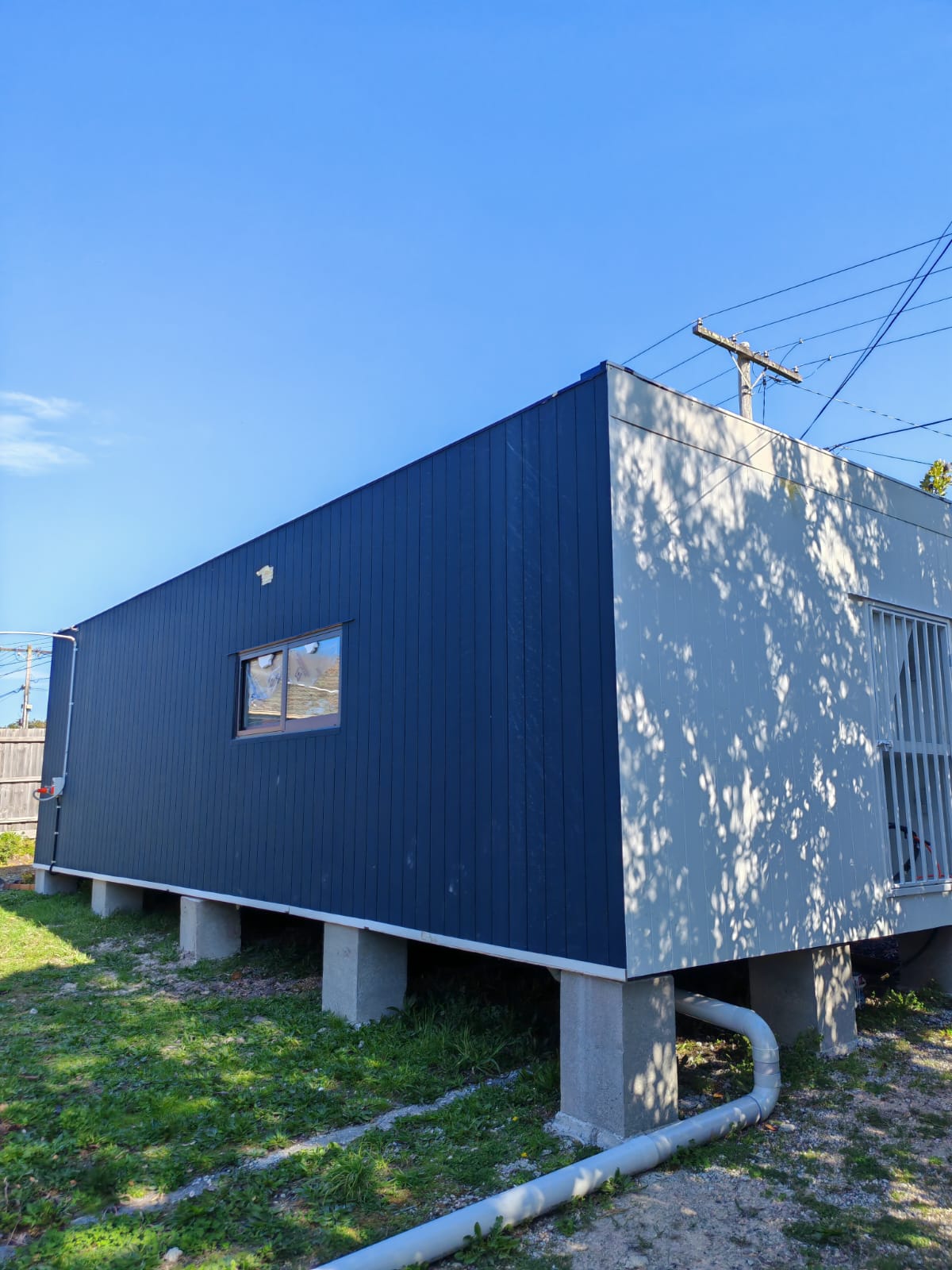
We build the dwelling to a fixed price, with a licensed install and an Occupancy Certificate. That fixed price contract is exactly what a lender wants to see. We can also introduce you to a mortgage broker who understands these builds, so you get a clear path to approval. We do not give financial advice. The broker arranges the finance. We handle the dwelling. If you are still checking whether your block even qualifies, read our guide to the small second dwelling rules in Victoria.
Frequently asked questions
Can I get a loan just for a granny flat?
Often yes, through an equity top up or a construction loan, subject to your income and equity and a lender assessment.
Do I need a deposit?
Construction loans usually require you to hold some equity or savings. A broker can tell you how much for your situation.
Will the rent help me qualify?
Lenders count a portion of expected rent toward serviceability, but they discount it. It helps, it does not decide it.
Is a building permit required?
Yes. A building permit is always required for a second dwelling in Victoria, even when no planning permit is needed. We handle it.
Ready to see if your block and your numbers work? Send us your suburb and rough block size for an honest read.
Related guides
How much a granny flat costs in Melbourne. Modular granny flat builder Melbourne. Granny flats in Cranbourne, Frankston, Werribee, Melton, Pakenham and Hoppers Crossing.
Start here: Unlock Your Backyard — the full Melbourne guide