
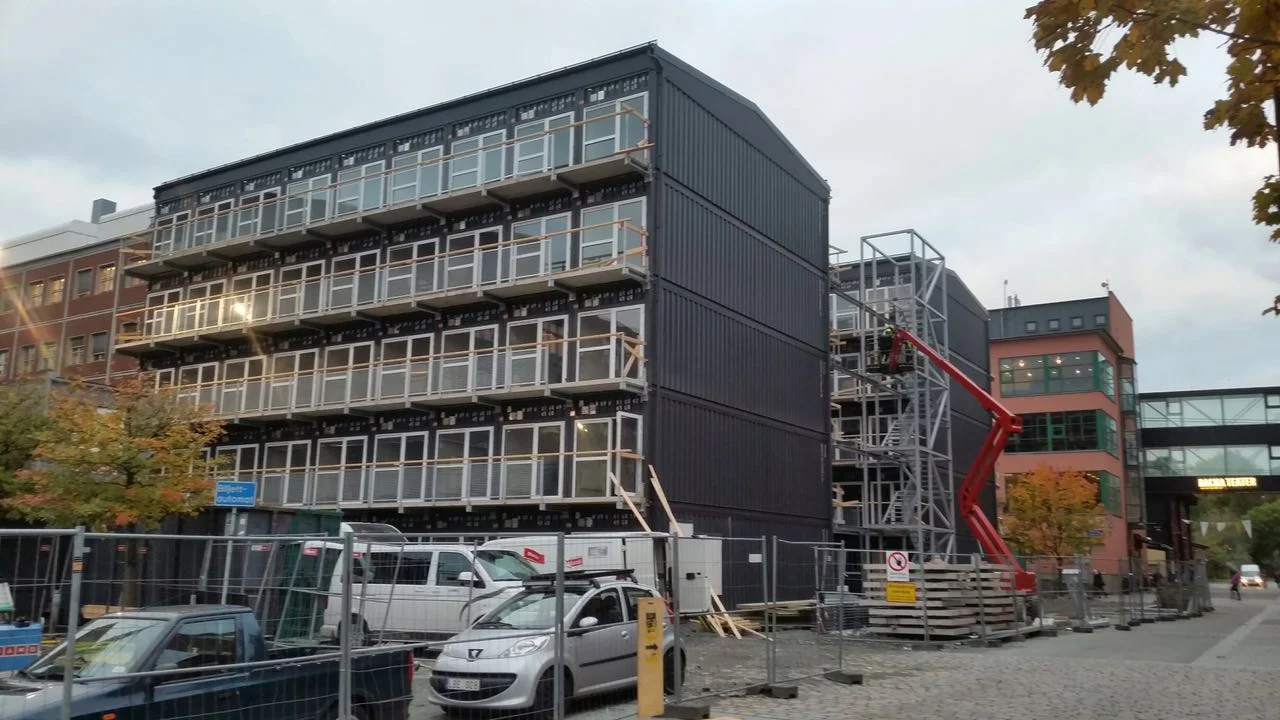
Tasmania’s modular opportunity is different from the mainland. Thinner local trade pools, higher construction costs, colder-climate Section J targets, and a stretched tourism and aged-care pipeline all make modular a structural fit. This guide is for Tasmanian builders, developers, councils and operators scoping a modular project in 2026.
Why Tasmania is a structural modular market
- Trade scarcity: TAS build pipeline is constrained. Shifting 60–70% of labour into a mainland factory unblocks projects.
- Cost parity differential: Traditional build in regional TAS runs 15–25% above mainland benchmarks due to labour and freight. Modular narrows that gap.
- Section J (cold climate): H4–H7 climate zones require higher thermal performance. Factory-built insulation control outperforms on-site.
- Tourism surge: East Coast, West Coast, Cradle Mountain, Freycinet, Huon Valley tourism growth requires fast accommodation capacity.
- Aged-care demand: TAS over-65 population is the highest in Australia. Class 9c aged-care demand is significant.
The three TAS sub-markets
Hobart + southern TAS: Aged care, student accommodation (UTAS), social housing, urban in-fill.
Launceston + northern TAS: Manufacturing workforce, regional aged care, education, commercial.
North-west / west coast: Tourism, workforce, mining (Queenstown/Strahan), council infrastructure.
Cost benchmarks
$2,400–$4,000/m² supply-only (TAS-delivered). Delivered pricing ~$3,200–$5,000/m² including transport and install. Compared against TAS traditional build benchmarks of $4,500–$6,500/m² for equivalent specifications.
Programme
5–8 months design-to-PC depending on scale. Tasmania shipping adds 1–2 weeks for Melbourne ferry or direct Bass Strait delivery.
Compliance angles specific to Tasmania
Section J climate zone 7 energy targets. Acoustic requirements equivalent to mainland. Bushfire BAL in interface zones. Seismic loads are moderate — similar to Vic/NSW inland. Tasmania-specific building surveyor liaison on every project.
Typologies Tasmania is actively procuring
Childcare, classrooms, aged-care residential, tourist cabins, social housing. See location pages for Hobart, Launceston, Devonport, Burnie, Ulverstone, Queenstown, Strahan, Huonville, New Norfolk and 8 other TAS towns.
FAQ
Does Tasmania receive modules by ship or by road?
Both. Bass Strait ferry (Spirit of Tasmania) handles road-sized modules. For larger modules and higher volumes, direct shipping to Devonport, Burnie or Bell Bay port is arranged.
What about Tasmanian cold climate performance?
Section J zone 7 requires higher R-values, thermal-break window systems, and airtight construction. Factory manufacture delivers this more reliably than on-site build.
Can modular meet UTAS student accommodation standards?
Yes — cluster typologies are compatible with UTAS accommodation briefs, NCC Class 2/3 compliance, and heritage-context massing where required (Hobart).
Download brochures · Contact us · Tasmania hub
Related: TAS childcare · TAS aged care · TAS education · TAS accommodation
Building in Tasmania? See Tasmania’s ModHomes program and 2026 modular finance guarantee.