
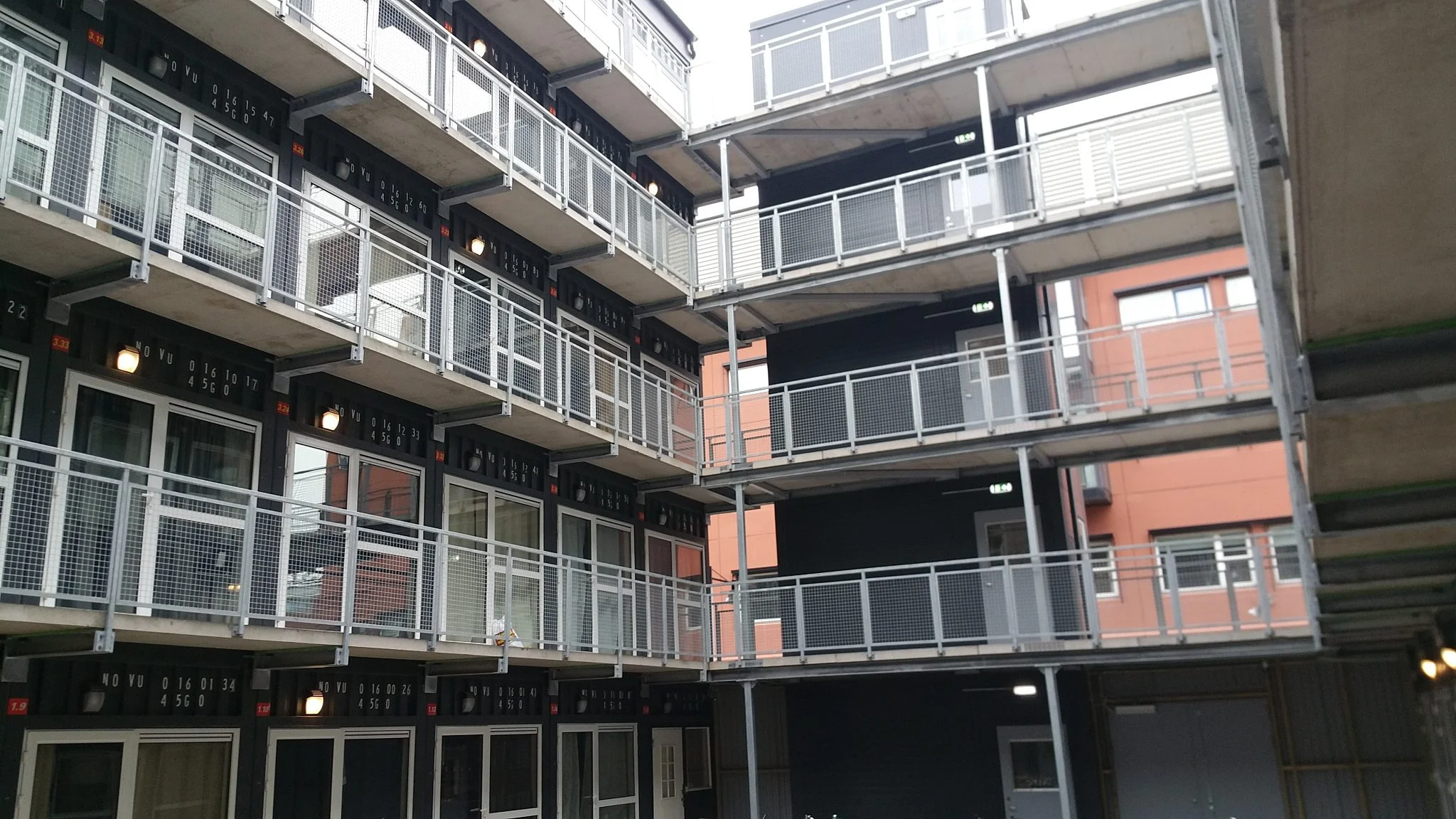
Looking for the EcoPrestige New Zealand modular supplier overview? See the consolidated New Zealand modular supplier overview at /modular-construction-new-zealand/ — the canonical page covering NZ Building Code compliance, ~$2,300/m² supply pricing, and direct-to-builder steel modular delivery for Auckland, Wellington, Christchurch and regional New Zealand.
This article focuses specifically on why offshore-manufactured steel modules deliver faster for NZ builders.
Why New Zealand Builders Are Turning to Modular Construction
New Zealand’s construction sector faces persistent challenges — skilled labour shortages, rising material costs, and project timelines that routinely blow out. For builders and developers across Auckland, Wellington, Christchurch, and regional NZ, modular construction offers a proven alternative that compresses programmes, controls costs, and delivers consistent quality.
EcoPrestige supplies structural steel modular systems manufactured offshore under Australian engineering oversight and delivered to New Zealand sites ready for installation. This model eliminates the dependency on local trades availability and provides cost certainty that traditional construction cannot match.
How Offshore Modular Manufacturing Works for NZ Projects
Modules are fabricated in controlled factory environments in China, with Australian-qualified engineers managing design, QA, and compliance documentation. Each module undergoes staged inspections before shipping — structural welds, fire-rated assemblies, MEP rough-ins, and finish quality are all verified before the module leaves the factory floor.
For New Zealand projects, this means your building arrives with 80–90% of construction completed. On-site work is limited to foundation preparation, module placement, service connections, and final fit-out. Total on-site time for a typical modular project is 4–8 weeks compared to 6–18 months for equivalent traditional builds.
Sectors Where Modular Makes Sense in New Zealand
The strongest commercial cases for modular construction in NZ include childcare centres (where demand is outpacing supply in growth corridors), education buildings (especially portable and relocatable classrooms), accommodation and tourism facilities (motels, worker accommodation, holiday parks), and multi-unit residential up to three storeys.
Regional New Zealand benefits particularly — areas like Queenstown, Tauranga, Hamilton, and the Bay of Plenty where construction demand is high but trade availability is limited. Modular allows these communities to access quality commercial buildings without competing for the same constrained labour pool as Auckland and Wellington.
NZ Building Code Compliance
All EcoPrestige modular systems are designed to meet New Zealand Building Code requirements. Structural steel framing provides superior seismic performance — a critical consideration in New Zealand’s earthquake zones. Our engineering team coordinates with NZ-based engineers and building consent authorities to ensure full compliance, including producer statements and evidence of suitability documentation.
Cost Comparison: Modular vs Traditional in NZ
EcoPrestige modular systems are supplied from approximately NZ$2,500/m² for the modular component, compared to NZ$4,500–6,500/m² for equivalent traditional commercial construction. When you factor in reduced on-site time, lower preliminary costs, and fewer variations, the total project saving typically ranges from 20–35%.
For NZ builders looking to improve margins, reduce programme risk, and deliver more projects per year, modular is not a compromise — it is a competitive advantage.
Talk to EcoPrestige About Your NZ Project
Whether you are a builder, developer, architect, or project manager in New Zealand, EcoPrestige can provide modular systems tailored to your project requirements. Contact us for a project-specific discussion and indicative pricing.